Upper back and rib pain
We are committed to helping you understand what is causing your discomfort or pain
Upper back and rib pain can be just as disruptive as lower back pain, affecting posture, movement and everyday comfort. It is often linked to posture, stress or muscle tension. Our osteopaths will assess you, explain what’s going on and agree a plan with you, which may include hands-on treatment, exercise and advice.
Below is general information about some common problems in this area. It isn’t a full list. If you’re not sure whether we can help, get in touch and we’ll talk it through.
You don’t need a referral to see an osteopath. You can book an assessment with us directly. At your first visit we’ll examine you, explain what we find and talk through your options. If osteopathy isn’t the right fit for you, we’ll tell you and suggest who can help.
Some problems do need your GP, for example if you need blood tests, scans or medication, or if your symptoms suggest an inflammatory condition such as rheumatoid arthritis. If we find this, we’ll refer you to your GP or another healthcare professional.
Rib Dysfunction
This condition is typically caused by twisting or stretching motions, such as pulling a lawnmower cord, reaching for something in the backseat of a car, or stretching in bed to turn off an alarm. Rib subluxation can also result from traumatic events like a rugby tackle or a car accident.
If you’ve experienced a rib subluxation, you may feel a constant dull ache in your back, often accompanied by intermittent muscle spasms. Breathing deeply may also be painful or difficult.
Any plan we agree will be tailored to you and may include advice and exercises you can do at home.
Costochondritis
Costochondritis is an inflammation where the ribs connect to the sternum (breastbone), causing pain in the chest area. Tietze Syndrome is a similar, though rarer, condition that also leads to pain and swelling over the sternum.
The pain is typically sharp and centred on the sternum, and it may mimic the discomfort associated with heart problems. It tends to worsen with deep breathing. While costochondritis most often affects individuals over 40, Tietze Syndrome is more common in young adults and teenagers.
The pain can result from various causes, such as a seatbelt injury following a car accident, a fall from a horse, or even excessive coughing or physical exertion, which can strain the costochondral joints.
Intercostal Muscle Strain
An intercostal strain refers to the stretching or tearing of the muscles located between the ribs, leading to moderate to severe pain, especially when breathing in. It is a common source of chest pain.
These strains typically occur from twisting and stretching actions, such as pulling a lawnmower cord, reaching for something in the back seat, or stretching in bed to turn off an alarm. They can also result from traumatic incidents like a rugby tackle or a car accident.
Your osteopath can assist in relieving the pain associated with intercostal muscle strains and provide guidance on how to prevent future occurrences.
Scoliosis
Scoliosis is a condition where the spine curves to the side. If you have scoliosis, you might notice a visible twist or curve in your spine, or one of your shoulder blades may appear higher or more prominent than the other.
If a healthcare provider has diagnosed you with scoliosis, there’s no need to worry. In most cases, scoliosis doesn’t cause pain, and the curvature is mild, often going unnoticed. However, it can contribute to lower back pain due to the body’s need to adjust and compensate for the curve.
Any plan we agree will be tailored to you and may include advice and exercises you can do at home.
Fibromyalgia
Fibromyalgia is a complex, chronic condition that causes widespread pain throughout the body.
While there is no cure for fibromyalgia, exercise is commonly recommended as it can help alleviate symptoms, though this can be challenging due to the severity of the pain many patients experience. Fibromyalgia is often associated with other conditions, such as headaches and temporomandibular joint disorders.
Our osteopaths recognise that fibromyalgia affects each person uniquely, and we tailor our treatment and management plans to suit individual needs. Our goal is to provide much-needed relief, helping patients better manage their symptoms and maintain their daily activities as much as possible.
Postural Pain and Occupational Health
Postural pain, while not an official diagnosis, is a common issue we see at A1 Bodyworks Clinic. Many individuals experience discomfort due to their jobs, daily routines, or hobbies. Whether it’s sitting for extended periods, manual labour, or carrying heavy loads like a rucksack, these repetitive activities can lead to body pain over time.
Typically, postural pain affects the upper back, neck, and shoulders, but it can also impact the lower back, pelvis, and even cause headaches.
Our osteopaths can help address the physical strains caused by daily tasks, offering treatments alongside specific exercises and lifestyle recommendations to improve strength, mobility, and flexibility.
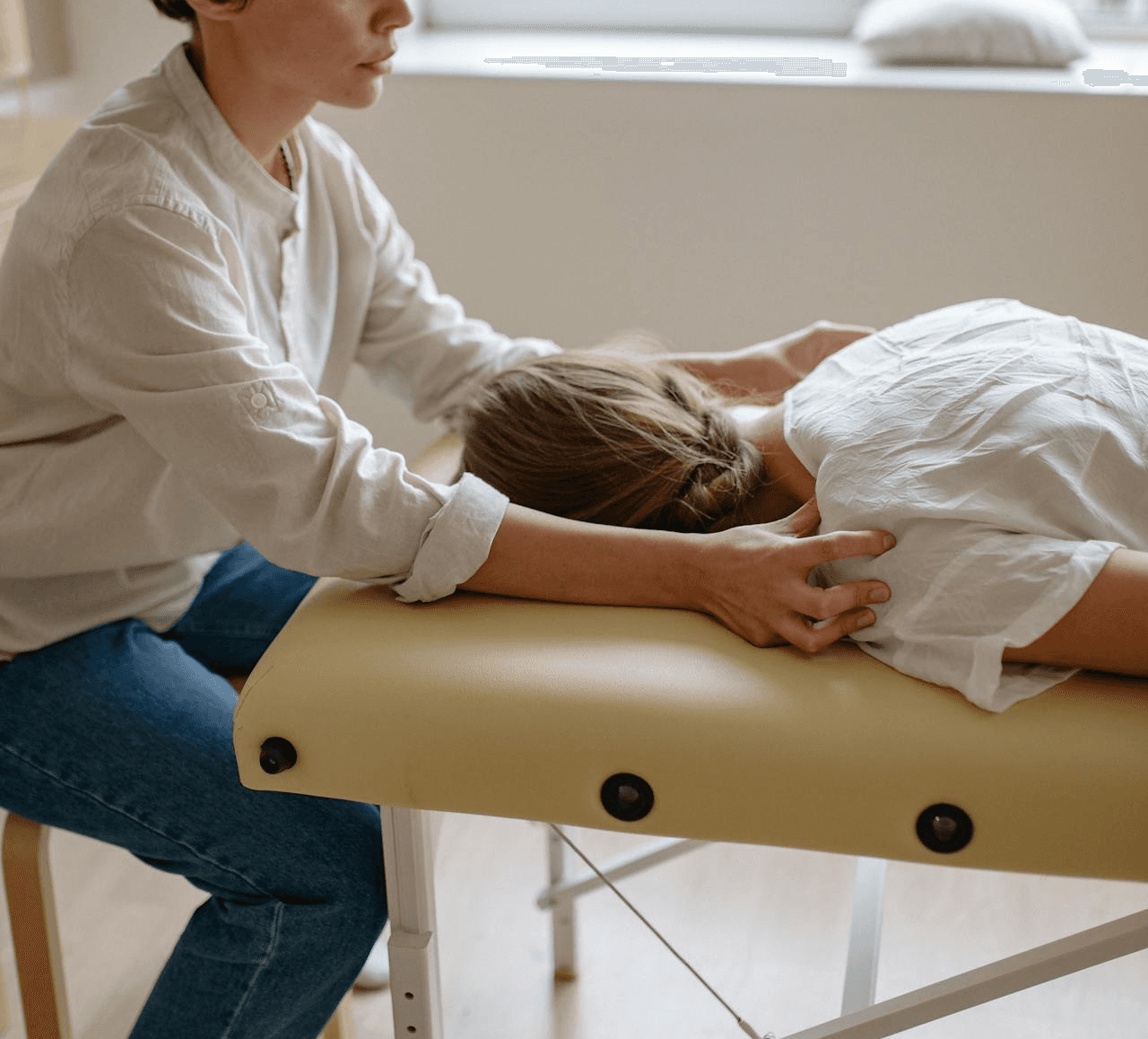
Osteopathy for upper back pain in Runcorn, Frodsham & Widnes
We understand how much pain or discomfort can disrupt your daily life, and we’re here to help you move forward. By listening to your concerns and tailoring a treatment plan to your needs, our team is dedicated to improving your comfort, mobility, and overall quality of life. At A1 Bodyworks Clinic, your wellbeing is always our priority.


